
Cost of Drainage Sloping in Spring Hill, TN
Drainage sloping services in Spring Hill, TN, typically involve adjusting the ground surface to facilitate proper water runoff away from structures and foundations. The overall cost can vary based on the project's scope, including the size of the area, the type of materials used, and the complexity of the site conditions. Factors such as soil type, existing landscaping, and accessibility can also influence final pricing.
When considering drainage sloping, it is important to understand that prices differ depending on the specific requirements of each project. Final costs are affected by the extent of grading needed, the choice of materials, labor requirements, and site-specific challenges. Consulting with professionals can help determine a suitable approach and provide more accurate cost estimates tailored to individual project needs.
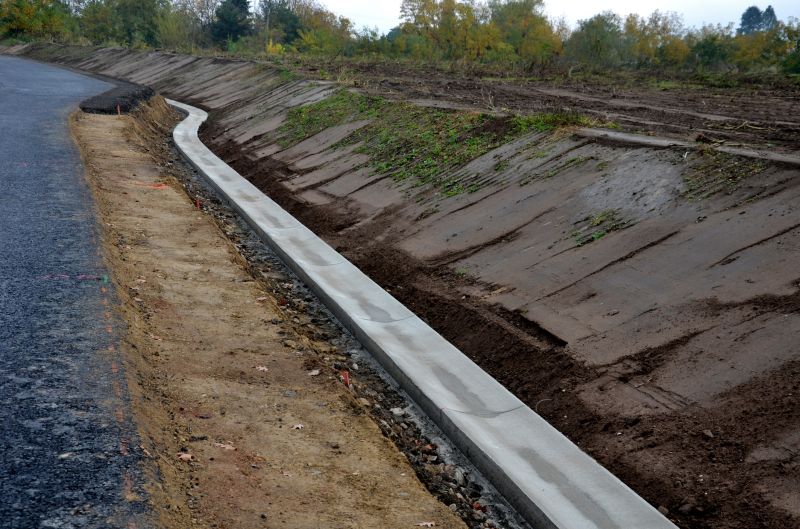
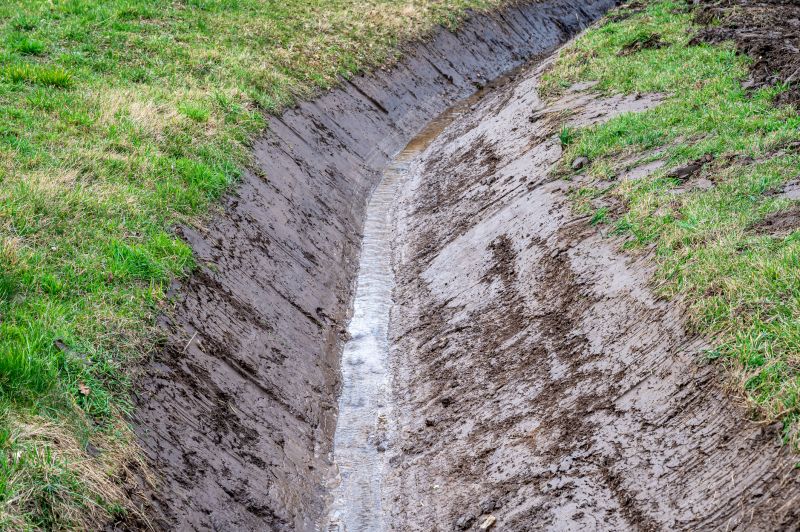

Typical Price Range
$1,200 - $2,800 (Smaller scope)
$3,500 - $7,000 (Standard scope)
| Project Type | Typical Range |
|---|---|
| Basic Drainage Slope | $1,200 - $2,800 |
| Extended Drainage Slope | $3,000 - $5,500 |
| Complex Drainage System | $6,000 - $8,500 |
| Retaining Wall with Drainage | $4,000 - $7,500 |
| Drainage Repair/Replacement | $2,000 - $4,500 |
| Drainage for Large Property | $8,000 - $12,000 |
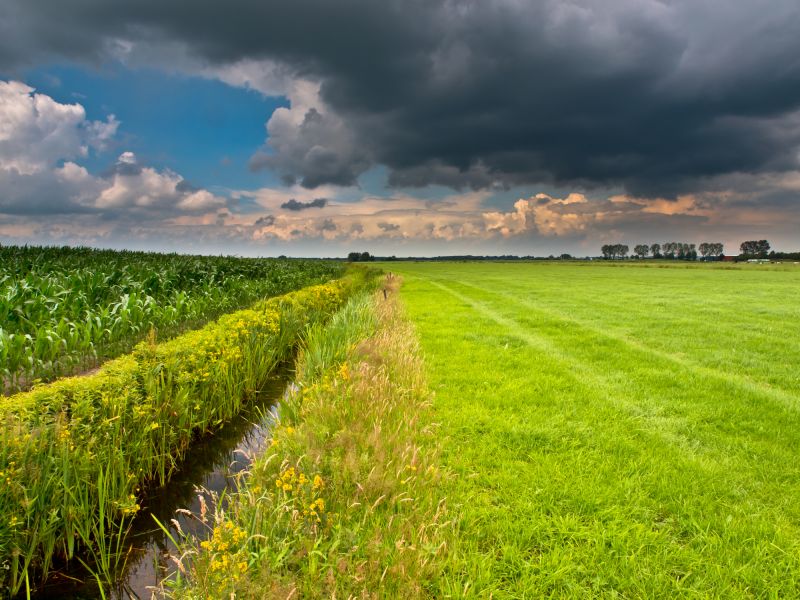
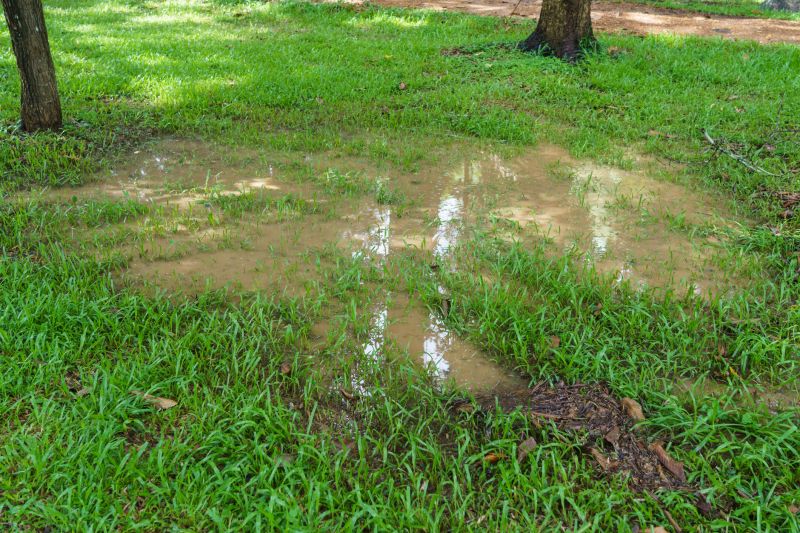
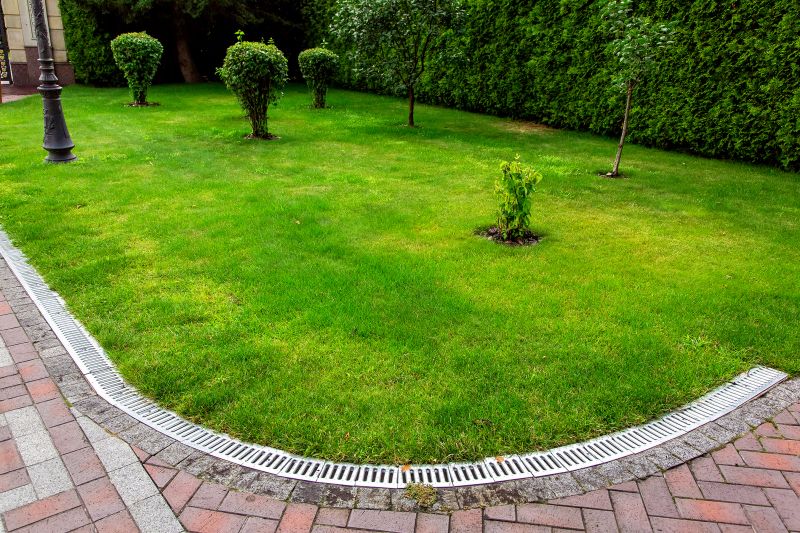
Factors like land topography, project complexity, and material choices impact costs.
Drainage sloping is a key component in managing water runoff around properties in Spring Hill, TN. Properly designed slopes help direct water away from foundations, prevent pooling, and reduce erosion. Understanding typical project considerations can assist in planning and budgeting for drainage improvements.
- Materials: Common options include compacted soil, gravel, or specialized drainage mats, depending on site conditions and desired effectiveness.
- Size and scope: Projects can range from small, localized slopes to extensive grading over large areas, influenced by property size and drainage needs.
- Labor complexity: Installation may involve grading, soil compaction, and sometimes excavation, which can vary in complexity based on existing terrain.
- Permitting: Local regulations may require permits for grading or drainage modifications, especially on larger projects or near property boundaries.
- Additional features: Optional elements include drainage pipes, catch basins, or erosion control fabrics to enhance system performance and longevity.
Project size and extent influence overall expenses.
| Scope/Size | Typical Range |
|---|---|
| Minor Sloping for Drainage | 1-2% slope, suitable for small residential areas |
| Standard Residential Sloping | 2-3% slope, common for driveways and yards |
| Moderate to Large Drainage Projects | 3-5% slope, for larger lots or commercial properties |
| Heavy-duty or Specialized Sloping | 5% or more, for areas with high water flow or specific drainage needs |
In Spring Hill, TN, typical drainage sloping projects are designed to handle local rainfall patterns and land contours effectively.